
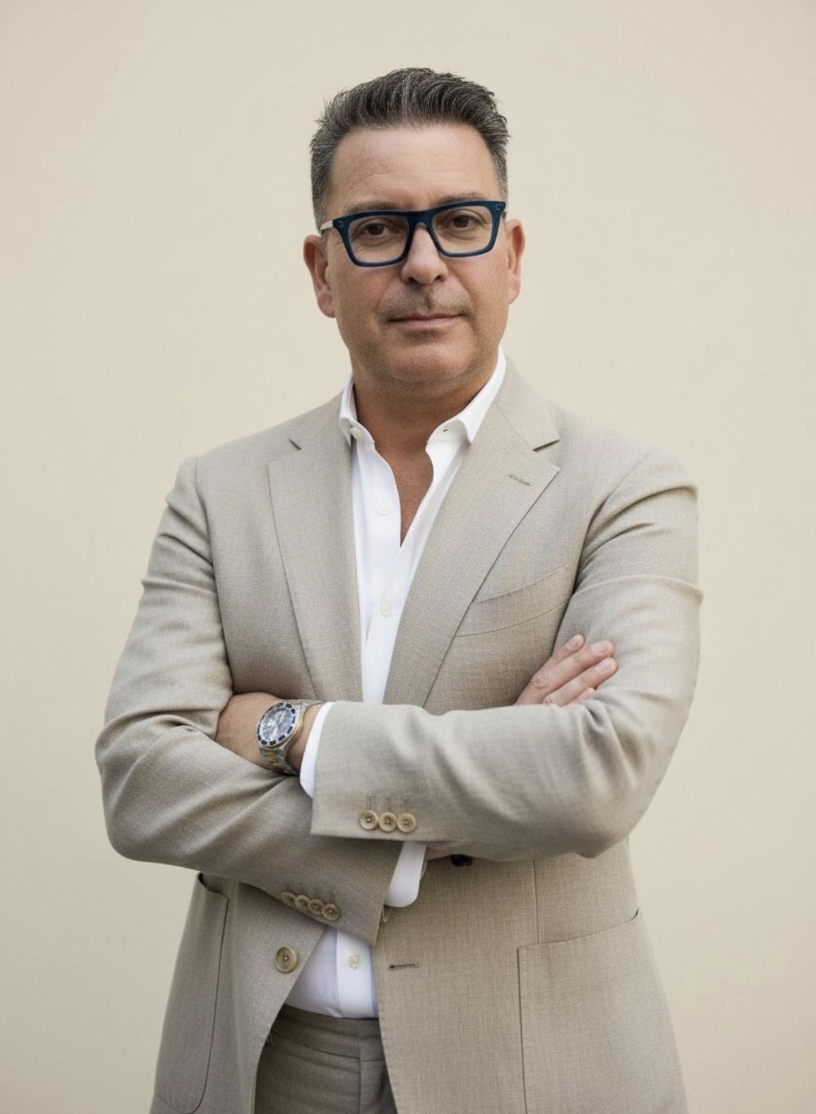
By Aurelian Anghelusiu, Chief Relationship Officer, Care@Home4Life
For decades, aging in place has been viewed primarily as a personal preference, a deeply human desire to remain in one’s home, preserve independence, and maintain continuity of life, family, and community.
Today, however, that preference is evolving into something far more significant.
It is becoming a structural question.
Millions of Americans wish to remain in their homes as they age. Yet the financial systems traditionally supporting retirement were never truly designed for the realities of modern longevity, extended care timelines, and the rapidly rising cost of in-home support.
The issue is no longer whether Americans want to age in place.
The issue is whether the financial architecture surrounding retirement is capable of sustaining it.
That is where a new category of thinking begins to emerge.
A Changing Retirement Reality
Modern retirement is fundamentally different from the retirement model that shaped much of America’s financial planning infrastructure.
People are living longer.
Care needs are extending across significantly longer periods of time.
At the same time, many retirees possess substantial wealth tied not to liquid assets, but to the value of their homes.
This creates a striking imbalance:
One of the largest stores of wealth in America lies in residential housing equity, while many aging homeowners simultaneously struggle to maintain sustainable income and long-term care continuity.
In many cases, the result is painfully familiar.
Families gradually deplete their retirement savings to sustain in-home care. Over time, financial pressure intensifies. Difficult compromises emerge. And eventually, many individuals are forced to leave the homes they love, not because they wish to, but because the financial framework that supports their care begins to collapse.
This is not simply a healthcare issue.
Nor is it solely a housing issue.
It is a structural disconnect between longevity, care, and financial design.
From Hospitality Leadership to Longevity Systems
For Aurelian Anghelusiu, the conversation surrounding aging in place is shaped by more than financial theory.
It is informed by decades spent inside high-performance hospitality environments where long-term trust, anticipatory service, operational consistency, and human experience are not abstract concepts; they are disciplines.
Luxury hospitality teaches a simple but powerful principle:
True service is never reactive.
The best organizations do not merely respond to needs after they arise. They design systems capable of anticipating, coordinating, and sustaining positive experiences over time.
That same philosophy applies directly to aging in place.
Longevity is continuous, not episodic.
Aging in place cannot rely solely on fragmented solutions delivered independently from one another. It requires coordination between housing stability, financial sustainability, and ongoing care support.
In other words, it requires a system designed for continuity.
Aging in Place as an Integrated Framework
At its core, aging in place functions most effectively when three elements work together:
- Housing as long-term stability.
- Care as continuous support.
- Financial design as the enabling mechanism.
When these elements operate independently, aging in place remains vulnerable.
When integrated, it becomes sustainable.
This distinction is increasingly important in states such as Florida and California, where two powerful trends are converging simultaneously:
- Significant concentrations of residential housing wealth.
- Rapidly increasing demand for long-term in-home care.
In Florida, large numbers of retirees increasingly seek alternatives to institutionalized care while seeking to preserve quality of life and personal independence.
In California, soaring real estate values coexist alongside some of the highest long-term care costs in the nation.
In both environments, the same question is quietly emerging:
How can homeowners responsibly access the value embedded in their homes while preserving dignity, continuity, and the ability to remain there long term?
Learning from Established European Models
One historical framework that continues to influence this evolving conversation is the French rente viagère.
While not widely known in the United States, the underlying principle is straightforward:
Residential property can be structured to support lifetime income while preserving the right to remain in the home.
The significance of this concept is not merely transactional.
It represents a fundamentally different way of thinking about housing.
Rather than viewing the home exclusively as a static asset or inheritance vehicle, it becomes part of a broader longevity strategy, one capable of supporting financial continuity over extended lifespans.
This principle increasingly resonates within modern retirement discussions as longevity expands and traditional financial tools strain under longer care horizons.
The Limitations of Traditional Solutions
In the United States, reverse mortgages have historically served as the primary mechanism for accessing home equity later in life.
While these products may provide liquidity, they often operate independently of broader care coordination and long-term continuity planning.
As a result, financial access, care delivery, housing continuity, and retirement planning frequently remain fragmented.
Families are left attempting to navigate multiple disconnected systems simultaneously.
This fragmentation represents one of the defining structural limitations of modern aging-in-place.
The future of longevity planning will likely depend less on isolated financial tools and more on integrated models that align care, income, housing stability, and long-term planning into a coordinated framework.
Care@Home4Life and the Emergence of Integrated Longevity Planning
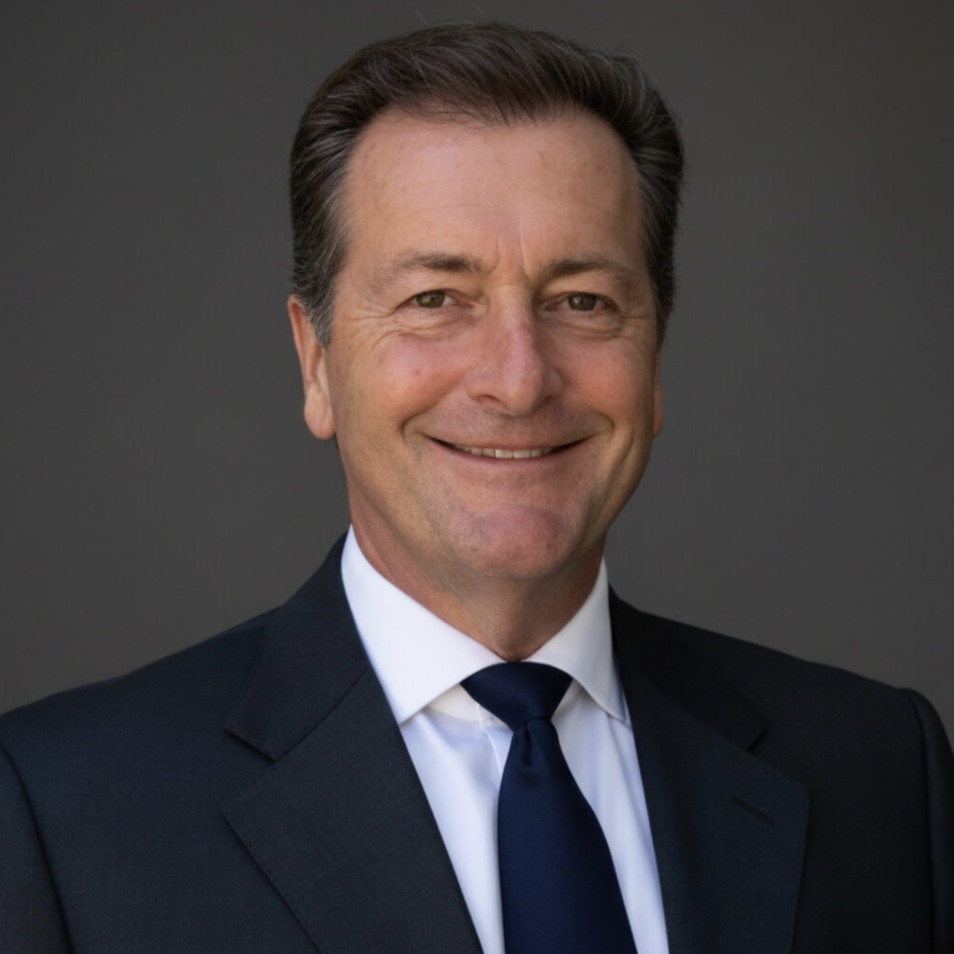
Care@Home4Life was envisioned, developed, and brought to life by the company’s visionary Founder & CEO, Eiso Wortelboer, with one mission: to address this structural challenge.
The company’s objective is not simply to provide another financial product or another care referral platform.
Rather, the goal is to explore a more integrated approach to aging in place, one that aligns regulated financial structures with coordinated in-home care support and long-term residential continuity.
At the center of this approach is the belief that aging in place should not depend solely on exhausting savings, on relying entirely on family members, or on being forced into institutional transitions due primarily to financial constraints.
Instead, housing equity may ultimately become one of the key components supporting long-term stability, income continuity, and sustained in-home care.
This is not merely a shift in product design.
It is a shift in perspective.
The conversation is evolving from:
“How do we pay for care?”
to:
“How do we redesign retirement systems to sustain independence over time?”
A Broader Shift Already Underway
The future of aging in place will likely be shaped by organizations capable of integrating multiple disciplines simultaneously:
- Financial planning.
- Longevity strategy.
- Housing continuity.
- Coordinated long-term care systems.
- Relationship-driven support models.
This evolution mirrors transformations that have already occurred across other industries where fragmented experiences were replaced by integrated systems designed around continuity, trust, and long-term outcomes.
The retirement sector now appears to be approaching a similar transition.
And as demographic pressure continues to increase, the need for more sustainable aging-in-place frameworks will likely accelerate.
Strategic Outlook
Aging in place is no longer simply a lifestyle preference.
It is rapidly becoming one of the defining structural challenges of modern retirement.
The next generation of solutions will likely emerge not from isolated products alone, but from integrated models that align housing wealth, financial continuity, and long-term care into a coordinated framework designed for extended longevity.
That broader shift is already underway.
Care@Home4Life represents one perspective within that emerging movement:
The belief that aging in place may finally become financially sustainable when housing, care, and financial design are no longer treated as separate conversations, but as part of one coordinated system built around long-term human continuity.
About Aurelian Anghelusiu
Aurelian Anghelusiu is the Chief Relationship Officer of Care@Home4Life and brings more than three decades of executive leadership experience in luxury hospitality, operations, service systems, and relationship-driven organizational development. His work focuses on the intersection of aging in place, continuity-of-care systems, and long-term client experience design.
About Care@Home4Life
Care@Home4Life develops integrated aging-in-place frameworks that align home equity, coordinated in-home care support, and long-term financial continuity through structured, regulated partnership models.